FOB vs CIF for Car Shipping from China: Which Incoterm Should Importers Choose?
FOB means you book the ship; CIF means the exporter books freight and insurance to your port. What each covers under Incoterms 2020, where the risk passes, and how to choose for a first order.
By EVtoU Export Team · Published · 5 min read
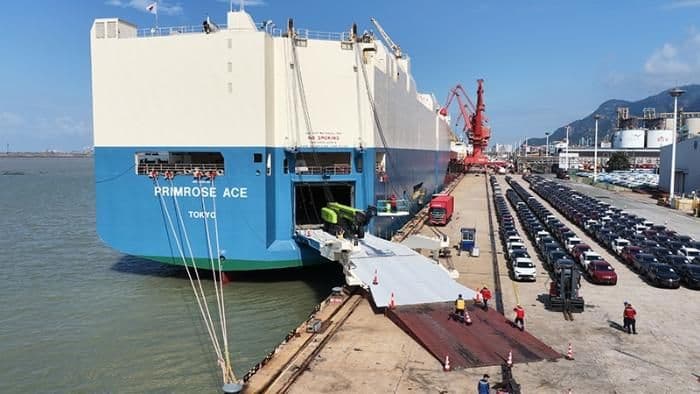
Choose CIF if this is your first import or you have no freight forwarder in China: the exporter books the ship and insurance to your port and you receive one price. Choose FOB if you already have a forwarder with good rates on your route — you control the freight, and the exporter’s job ends when the car is loaded on board in China.
What do FOB and CIF mean?
Both are Incoterms® rules published by the International Chamber of Commerce. The current edition is Incoterms 2020.
- FOB — Free On Board (named port of shipment). The seller clears the goods for export and loads them on the vessel you nominate. Freight, insurance and everything after loading are yours.
- CIF — Cost, Insurance and Freight (named port of destination). The seller also pays sea freight and buys cargo insurance to your destination port. Import clearance, duties and delivery beyond the port stay with you.
When does the risk pass to the buyer?
Under both FOB and CIF, risk passes to the buyer when the goods are on board the vessel at the port of shipment in China. CIF does not move the risk to your port — it means the seller pays the freight and arranges insurance that protects you during the voyage. Under Incoterms 2020, CIF requires only minimum cover (Institute Cargo Clauses C) unless the parties agree more; ask for the insurance terms in writing.
| FOB China | CIF your port | |
|---|---|---|
| Export clearance in China | Seller | Seller |
| Loading on board | Seller | Seller |
| Sea freight | Buyer | Seller |
| Cargo insurance | Buyer (optional) | Seller (minimum cover) |
| Risk passes | On board in China | On board in China |
| Import clearance & duty | Buyer | Buyer |
Ro-Ro or container?
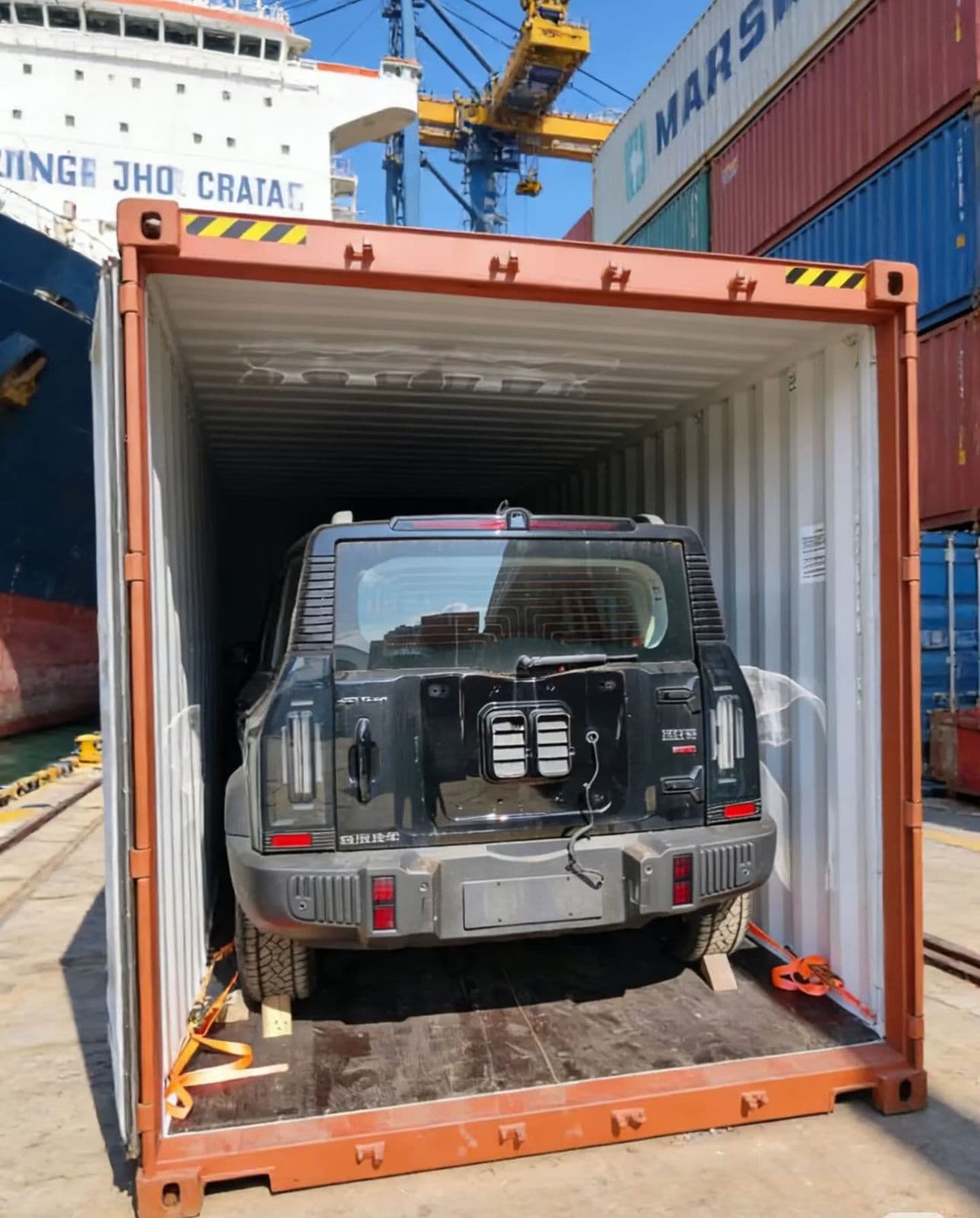
The Incoterm is separate from the shipping method. Cars can be shipped Ro-Ro (driven onto a vehicle carrier) or in containers. Containers protect the paint, allow mixed models in one box and suit smaller orders; Ro-Ro can be simpler for larger volumes on routes a carrier serves. Note that the ICC suggests FCA or CIP rather than FOB or CIF when goods are handed over at a container terminal rather than loaded on board — ask your forwarder which fits your contract.
What should the Proforma Invoice say?
- The Incoterm with the named port, e.g. “CIF Tema, Incoterms 2020”.
- The shipping method (Ro-Ro or container) and estimated sailing.
- Insurance cover level for CIF orders.
- Documents you will receive, such as commercial invoice, packing list and bill of lading.
Every EVtoU quote is available as FOB or CIF. Shipping fee and delivery date are negotiated per order — see our export process.